

NOUR OUAYDA: THE SECRET GARDEN
IN CONVERSATION WITH HIND MEZAINA
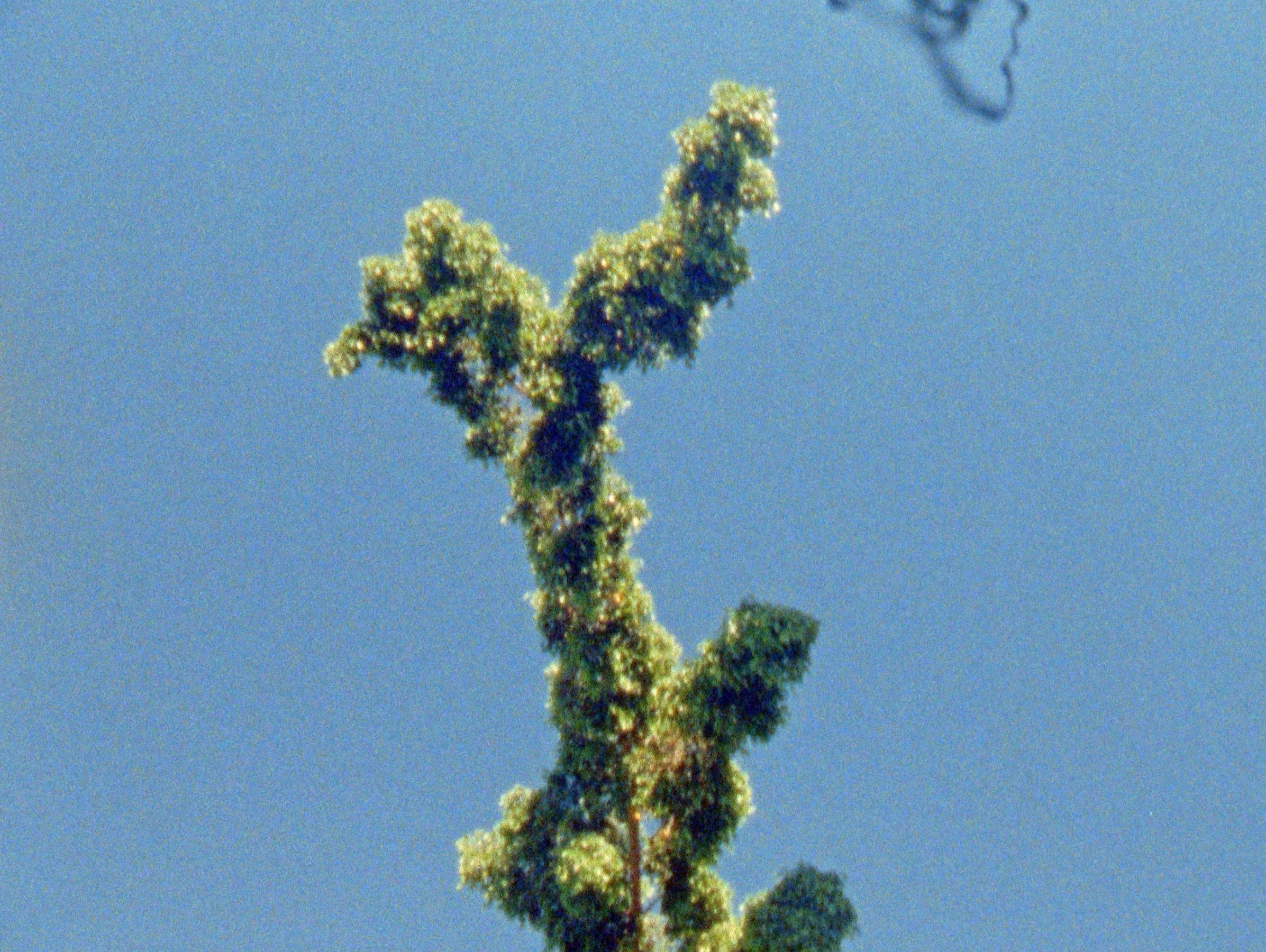
The Secret Garden is a twenty-seven-minute film told in eight chapters about an unnamed city overrun by plants, trees, and flowers. Shot in 8mm and 16mm film, the beautifully composed images of the plants evoke a sense of fear and the unknown. The film is narrated by two whispering voices — the film’s protagonists — Camelia and Nahla, who are investigating how this overnight invasion happened.
The film had its world premiere at CPH:DOX in March 2023, and since then it has screened at many other notable international film festivals. I interviewed Nour Ouayda about the making of the film.
Hind Mezaina: I’ve been noticing lately more and more artists and filmmakers interested in analog photography and filmmaking. What drew you to shoot on film?
Nour Ouayda: I shot the film on Super 8 and 16mm, with cameras that allowed for in-camera editing. It was a way to play around with instinctive methods of filming and to improvise based on body movement, breath, rhythm, and presence in the spaces I was filming.
This was very important for me, as it was a way to transfer the energy of a certain place onto the film, especially since the relationship to place was at the heart of the film. When we started editing, certain sequences were already there and were used as is — like the palm tree sequence, for instance, where I alternate between various time-lapse speeds, which gives this contrasting effect of a smooth traveling intercut with bursts of frenetic energy.
In-camera editing is something I also worked with in two videos I made with my smartphone in 2020 and 2022. It’s not the exact same technique as when I am shooting with film cameras, but it’s just a way to say that I am drawn to equipment that allows this kind of improvisation and instinct.
On the other hand, there’s also a certain quality to images shot on film — they feel a bit less immediate, as if they belonged to another time — and this works really well with the fairytale and fantastical tone of the film.
…
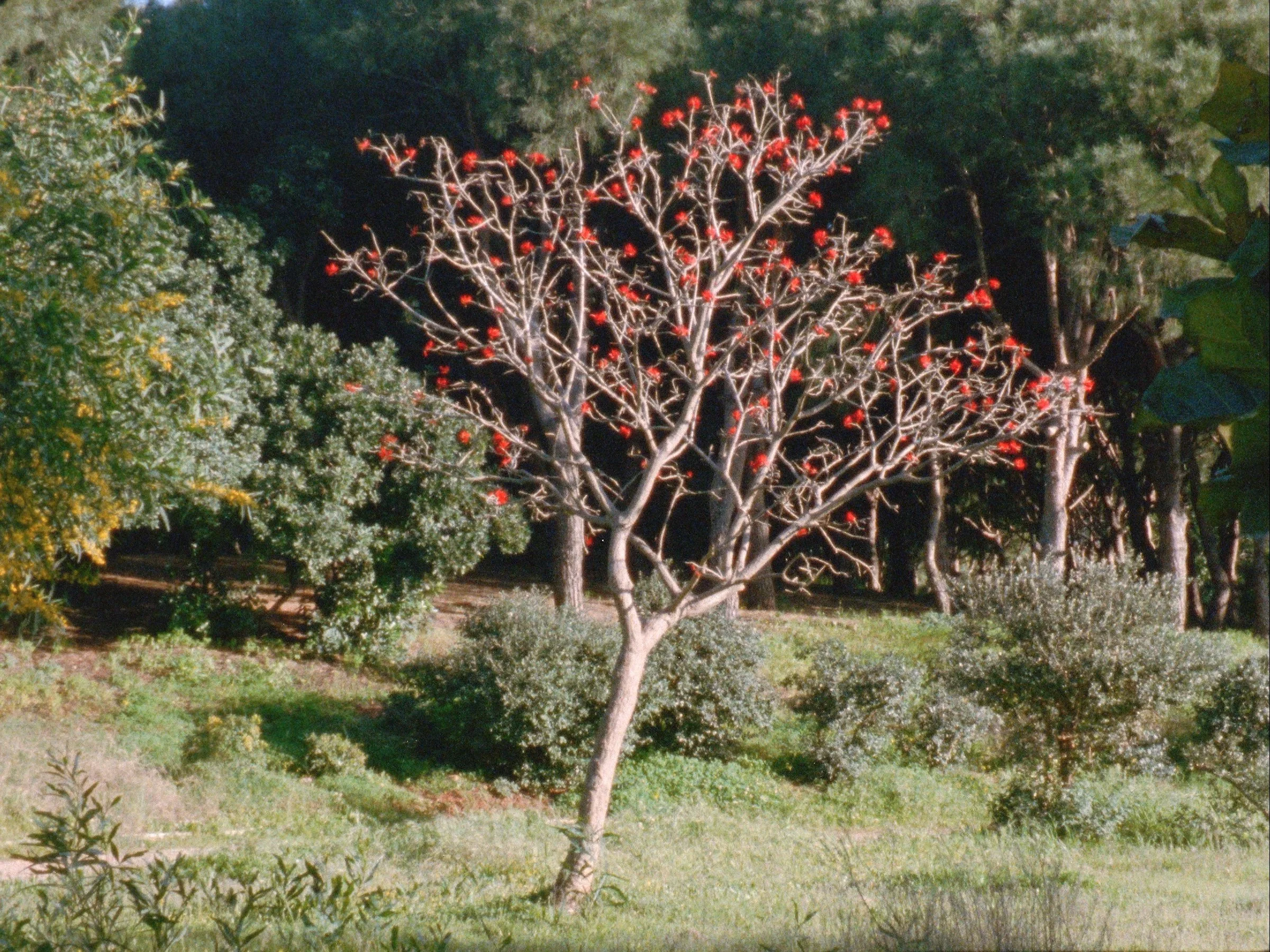
HM: You don’t explicitly indicate the location of the city, but I couldn’t help thinking how the film touches upon a city’s trauma — Beirut, to be more specific — and its impact on the people living in it.
NO: The film is about the transformation of a place after a disruptive event. It is about how a place transforms in the aftermath of an event that disrupts the course of things. In the film, a voice calls it: “an event that might change the course of things to no return.” What is this point of no return?
Of course, the film is related to Beirut, due to the fact that I shot the film in Beirut, a city I have lived in all of my life. So it is a film that came out of a place that is marked by a multitude of disruptive events that reshuffle, each time, our understanding of reality and the real. It was important for the film to carry traces of these violent changes without directly referencing one of them. In relation to your first question, it was for me a matter of using cameras and machines that could pick up on the vibrations of a certain place and register them onto the images themselves.
HM: Plants are signs of life — hope, even. But in your film they are mysterious and suspicious.
NO: When writing this film, it was important for Carine and me not to fall into this dichotomy of man versus nature, of control versus wilderness. We wanted to blur the lines, to describe plants that gave us a feeling of comfort and danger at the same time. And I like that plants are both, as nature is indeed dangerous. This is something that I explored in my previous film, one sea, 10 seas (2019), where I tried to show the multiple faces of the sea, which can be both a rejuvenating water element and a monstrous, deadly creature.
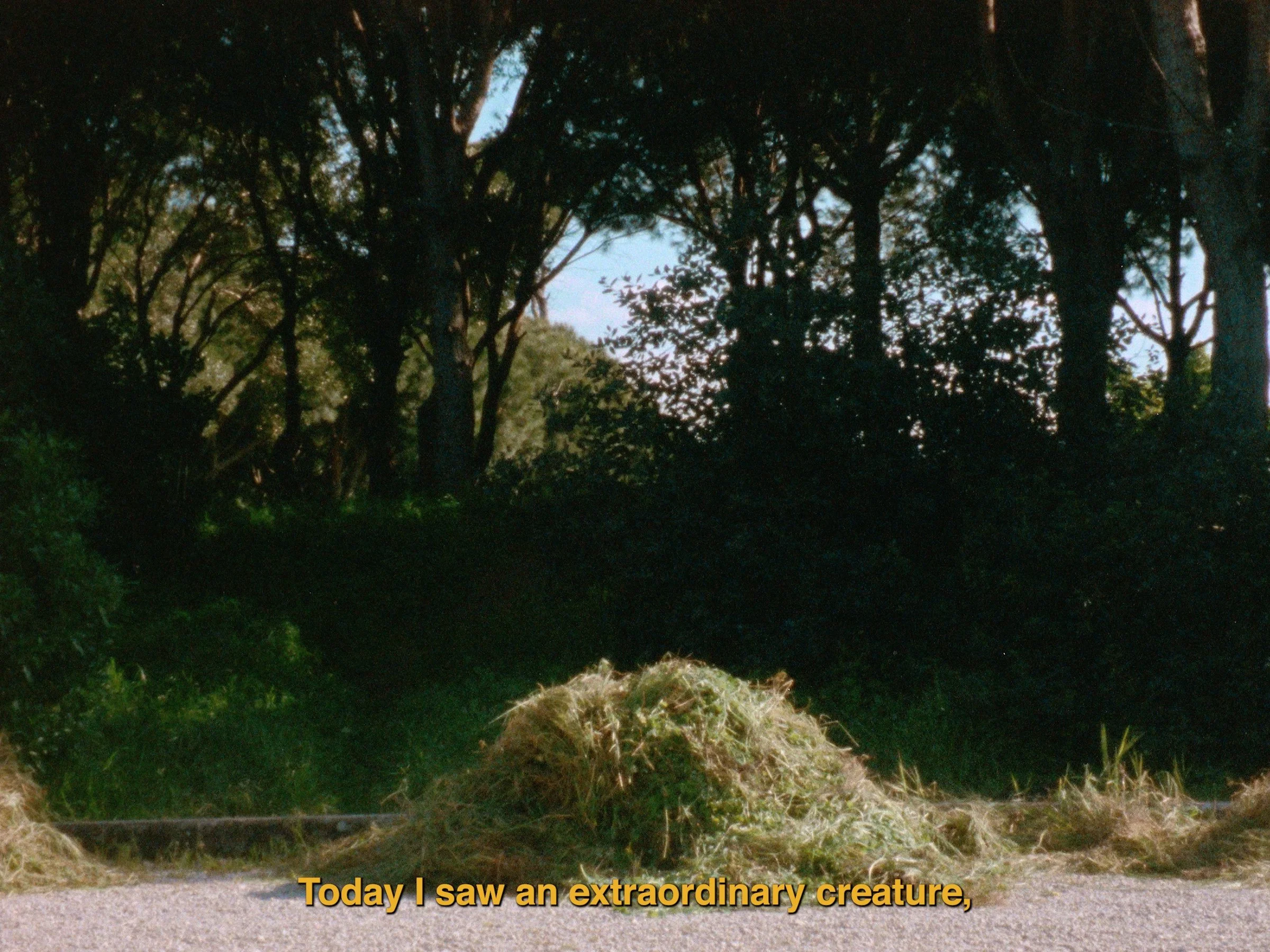
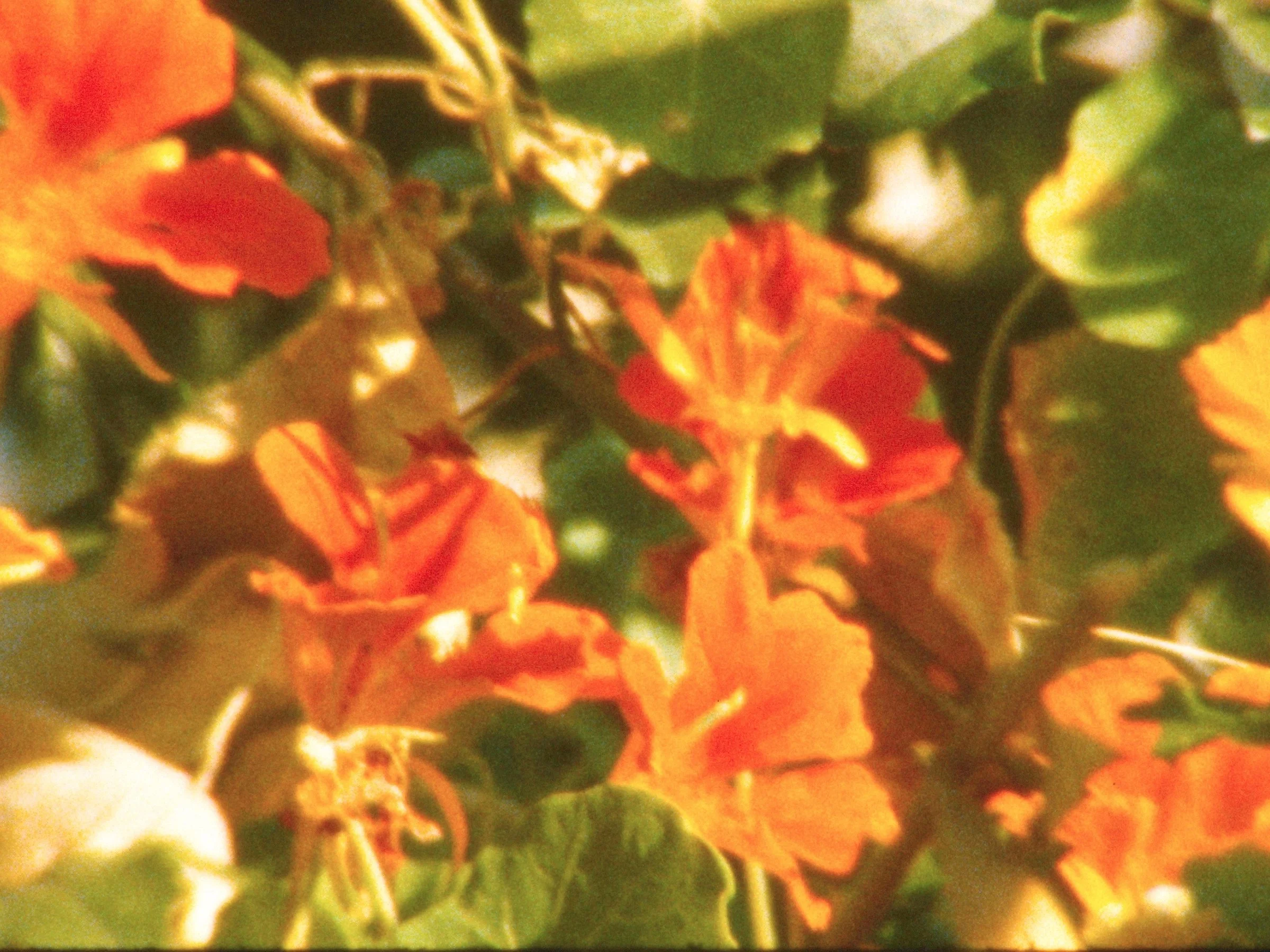
All stills from The Secret Garden, Courtesy of Nour Ouayda
To read the full interview between Nour Ouayda and Hind Mezaina, click here to purchase a copy of Issue 14.