

AMRO GEBREEL
BY AIYAH SIBAY
Tanya Traboulsi, from the series Beirut, recurring dream (2021 - ongoing), Courtesy of the Artist
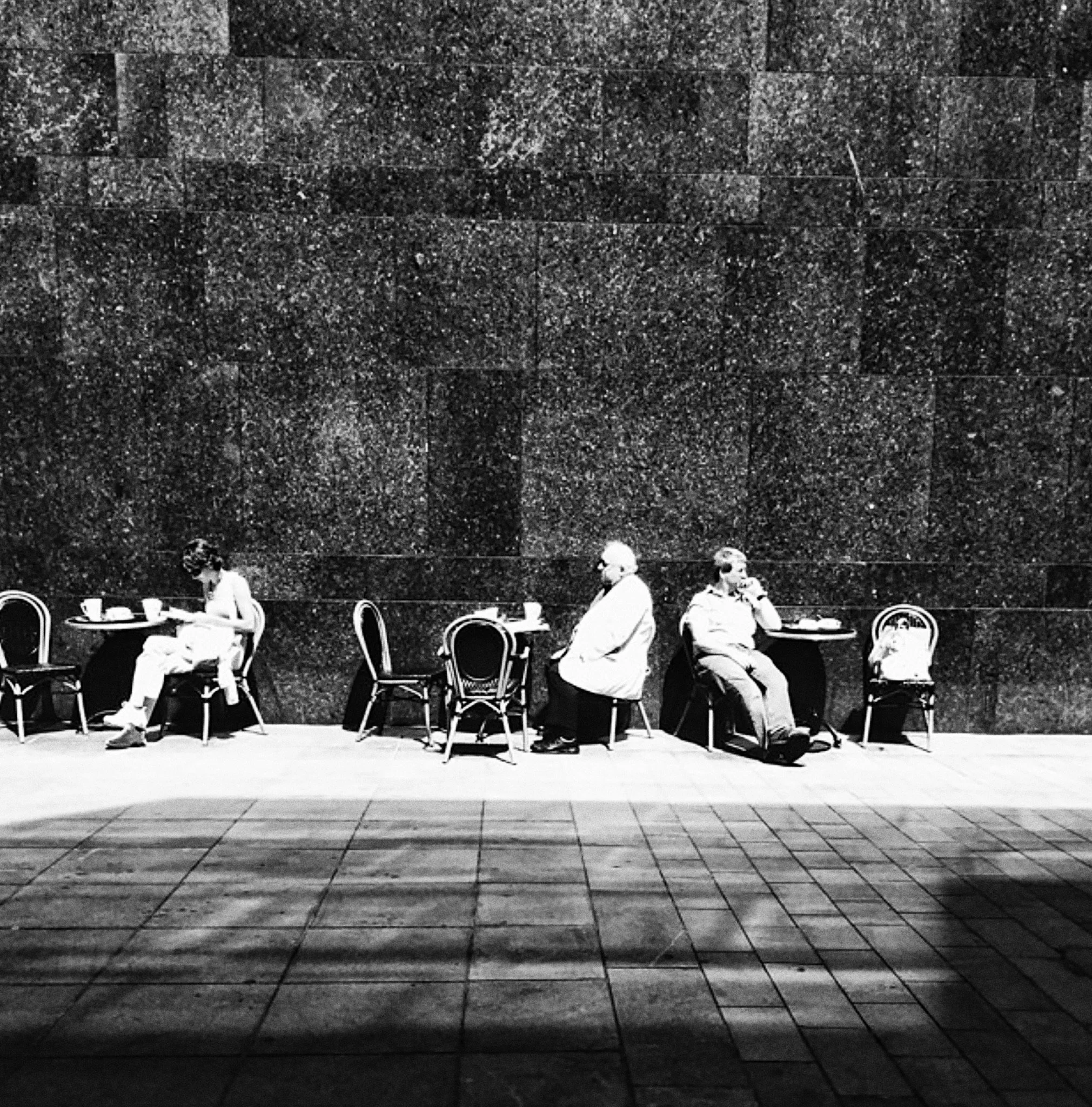
Three coffee tables line an austere wall. A slim line of sun lands at the edge, lighting three single patrons, revealing a trio of silent worlds — of half-tried coffee and unseen crowds of passing thoughts. Territories sharing the same air, nothing else. An empty chair faces each of them, reflecting absence, loneliness, perhaps a hint of something to come; a mirror for the observer, and the one being observed. The artist stands unnoticed across the street, positions this scene within the frame, and in his delicate way, leaves enough space for us to enter.
“I know the limitations of photography,” says Amro Gebreel, an English-Libyan photographer. Yet his photography appears without limits in its ability to see all and capture, silently, tender, ephemeral moments of the mundane that are no longer mundane because we have paused here. Our eyes have fallen on these faces. Once, in a still room, facing a crowd of visitors, a monk told us, “It is beautiful because you have noticed it.” And to this simple definition of beauty, Gebreel arrives with a record of moments that are beautiful because he has made them so — because he has whispered with his camera, “Wait” — and in this pause, beauty was birthed in the mind of an artist.
“I don’t know what to do with photography,” Gebreel admits. And the confession arrives as an immense relief — from one artist to another — revealing a truth most of us would rather not confess: that is, the unspoken pressure to proceed with purpose, a clear, communicable mission that can be shared neatly with others when they stop you along the way and ask, “Your art — tell us what that’s all about.” And often, we fabricate mission statements and intentions we’d never considered, cautious not to reveal our confusion.
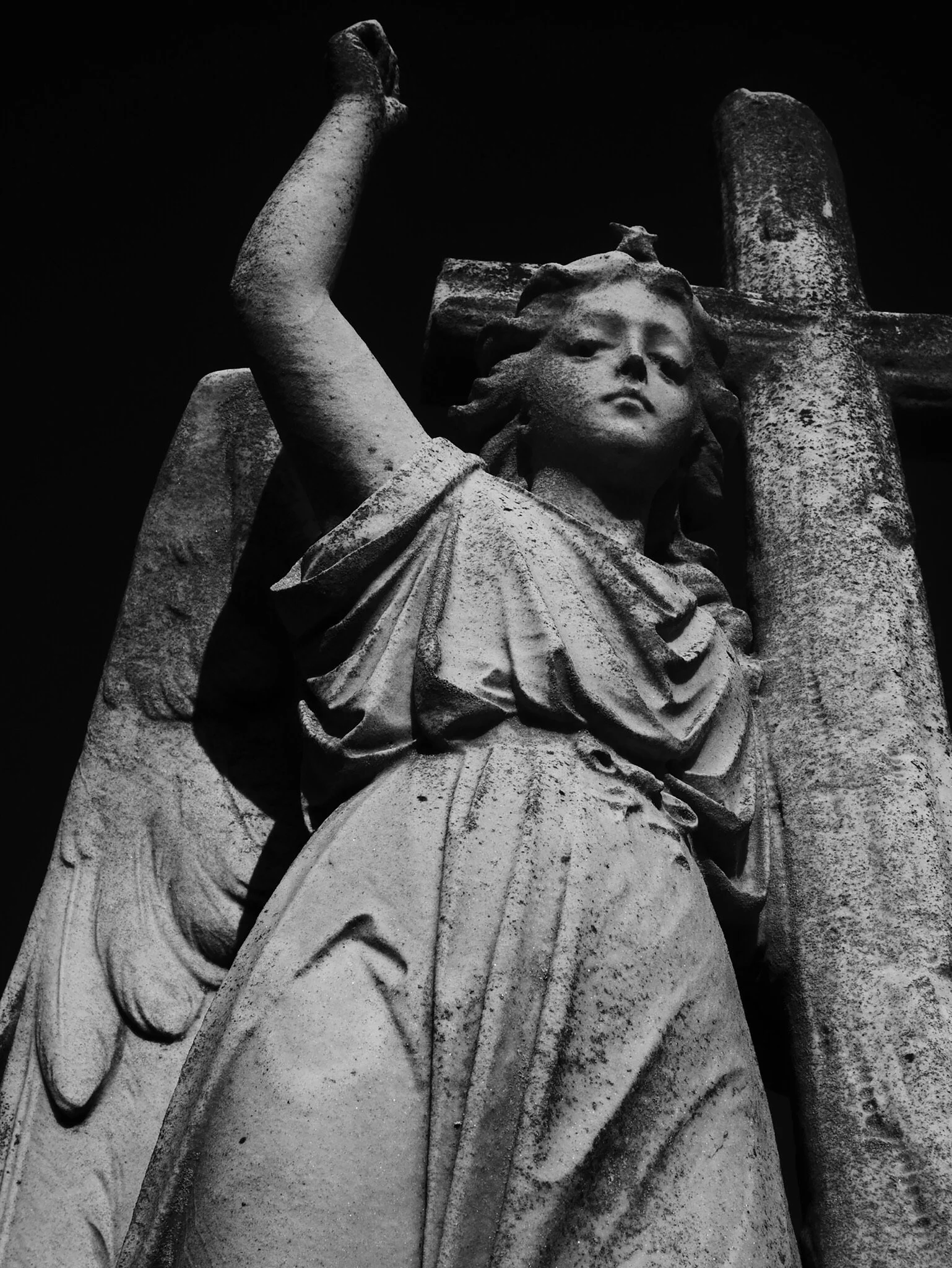
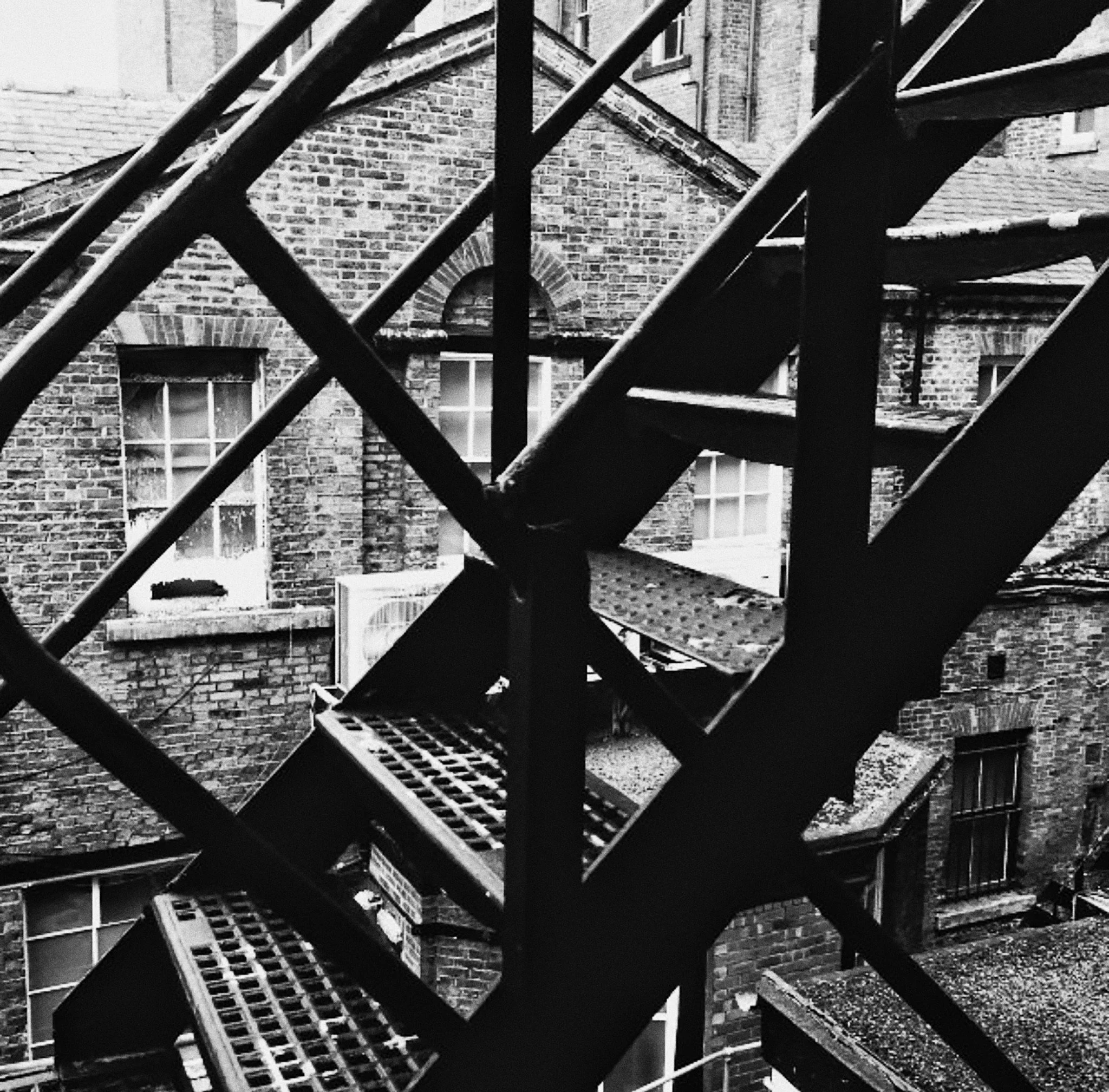
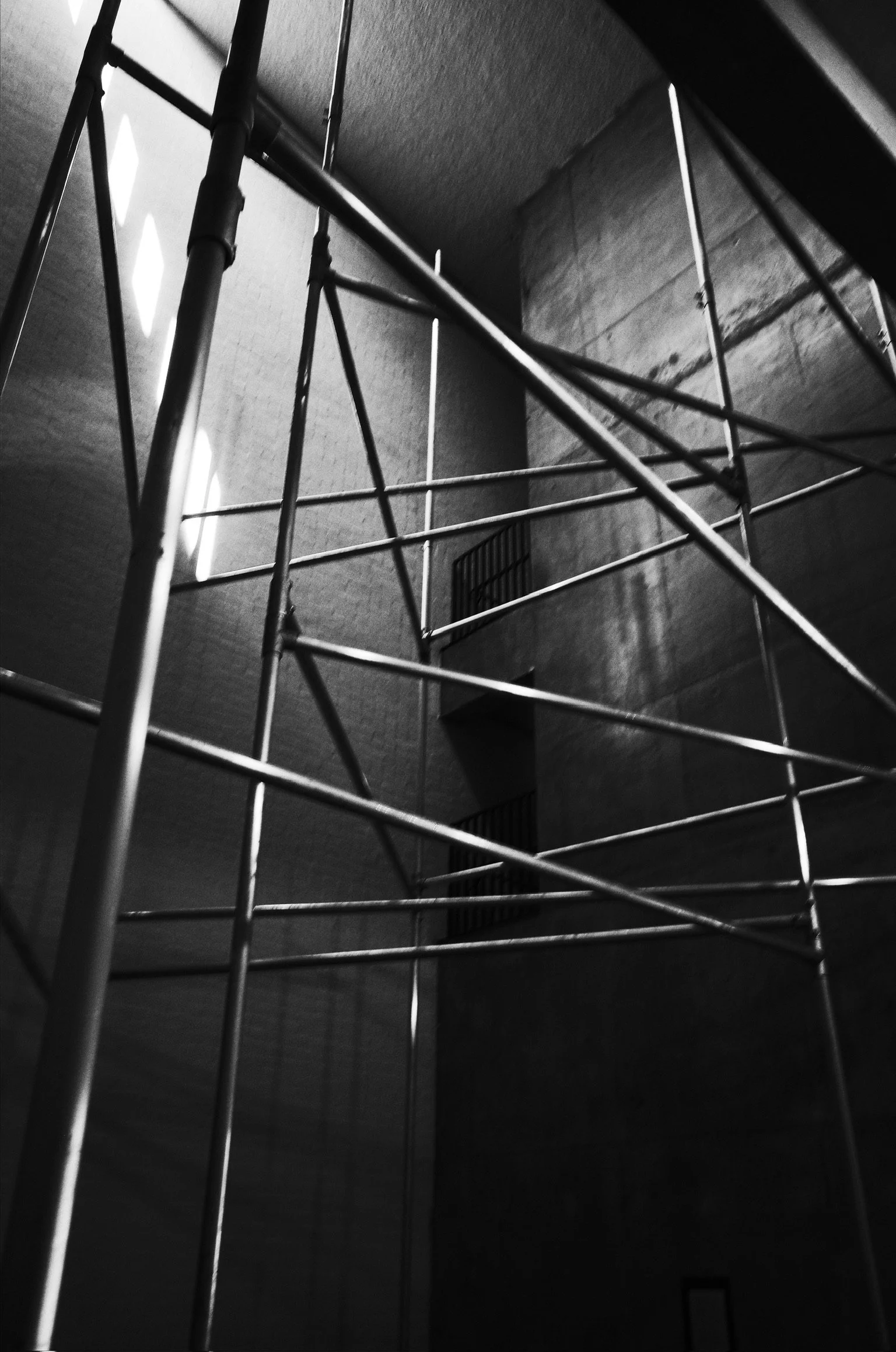
…
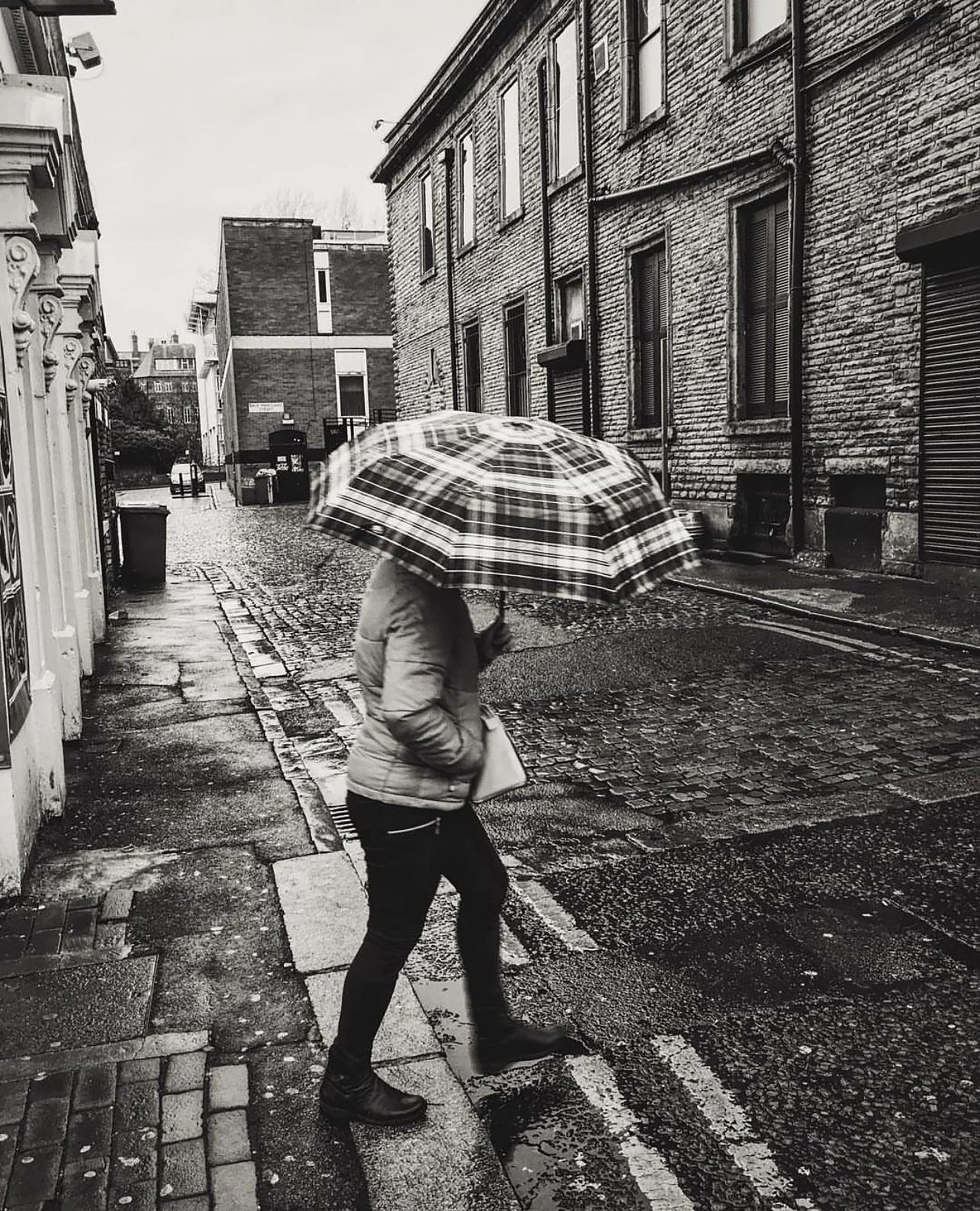
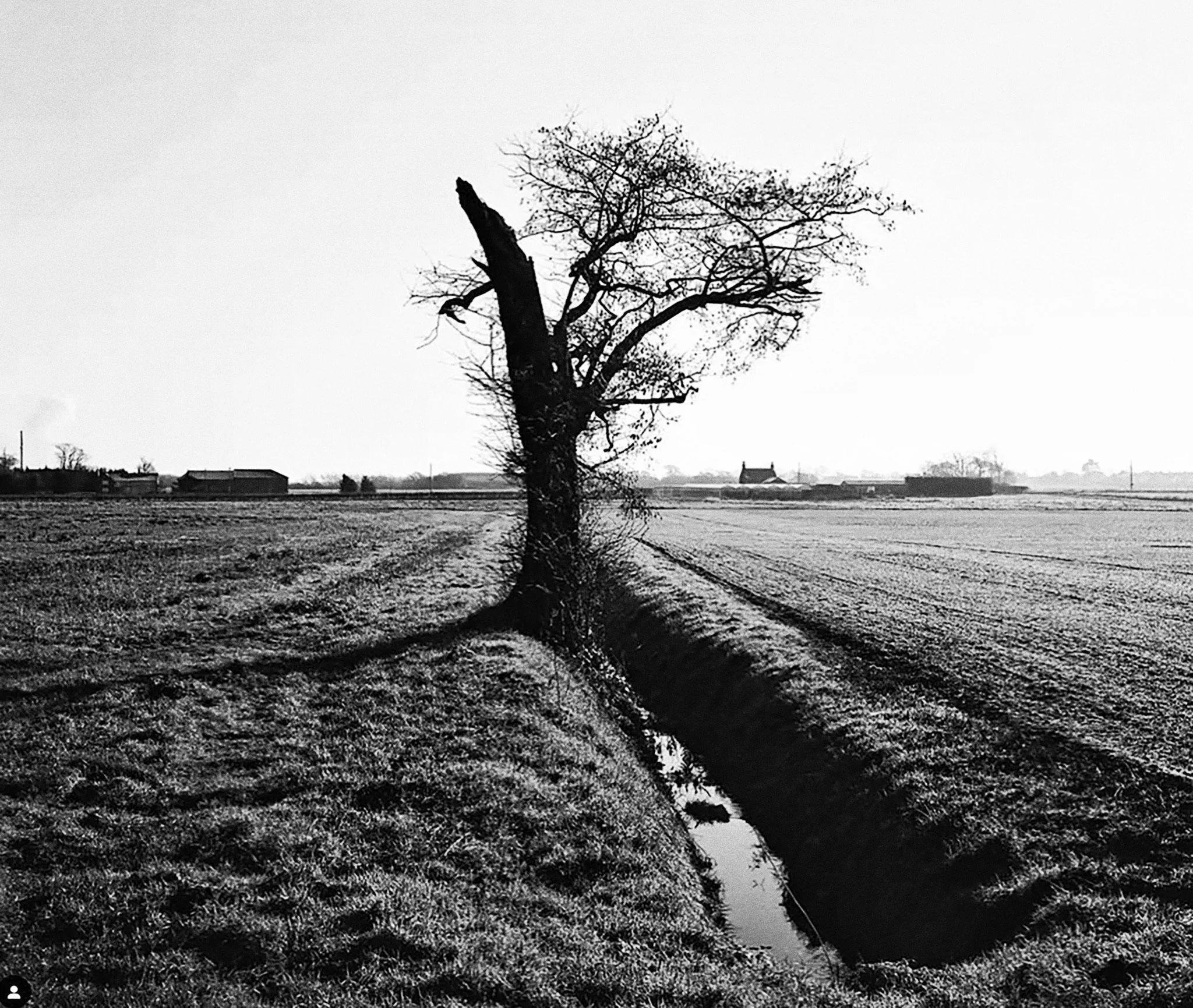
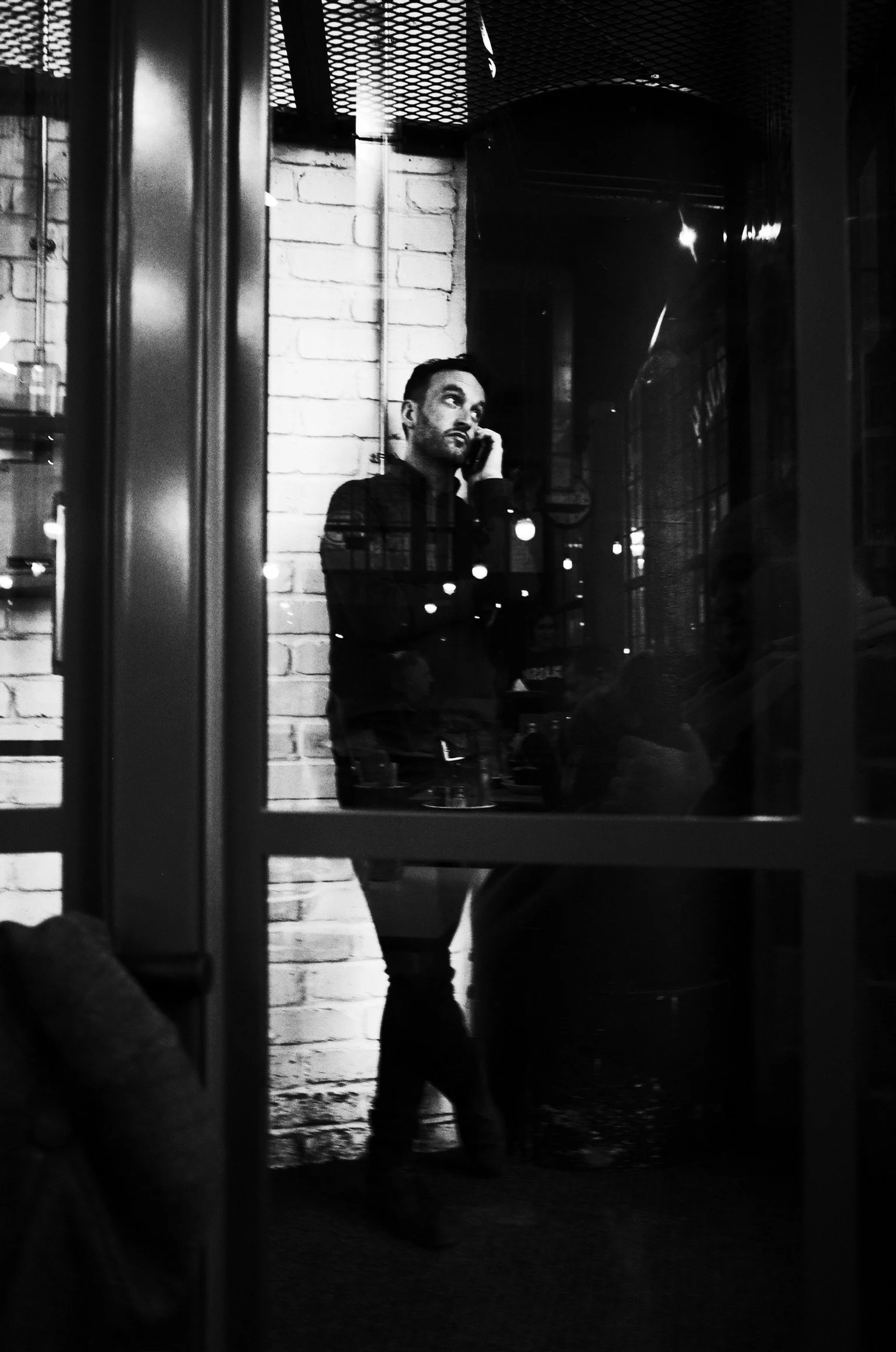
A self-taught artist influenced by French and Japanese street photographers, Gebreel’s work speaks to a rare freedom in the world of photography. His body of work bears no thematic unity, and is neither curated nor didactic. It is instead a collection of raw moments captured without foreplanning or post-production ambitions. Formerly a physicist, Gebreel approaches his work with a scientific perspective, but when asked about his former work, he responds, “Art is more important than science… I wish I’d spent more time with it.”
Gebreel’s work stands apart from the work of many artists from the region, in that his images remain apart from the homeland. They neither invoke nostalgia for an unattainable possibility nor seek to criticize all that makes it so. From a young age, he’d learned the heartbreak of loving a home that bears scars of violence and secrecy, one that loves, but does not know how to love well, without harm.
And so, his art stands at a safe distance, observing another place that has become home to him. That, though it may carry less tenderness, less of the artist’s self and of his own reflection, nonetheless carries safety, and promises of many more quiet coffees under a slim parting of light, tucked securely against a black wall. It promises the mundane, and Gebreel declares it beautiful.
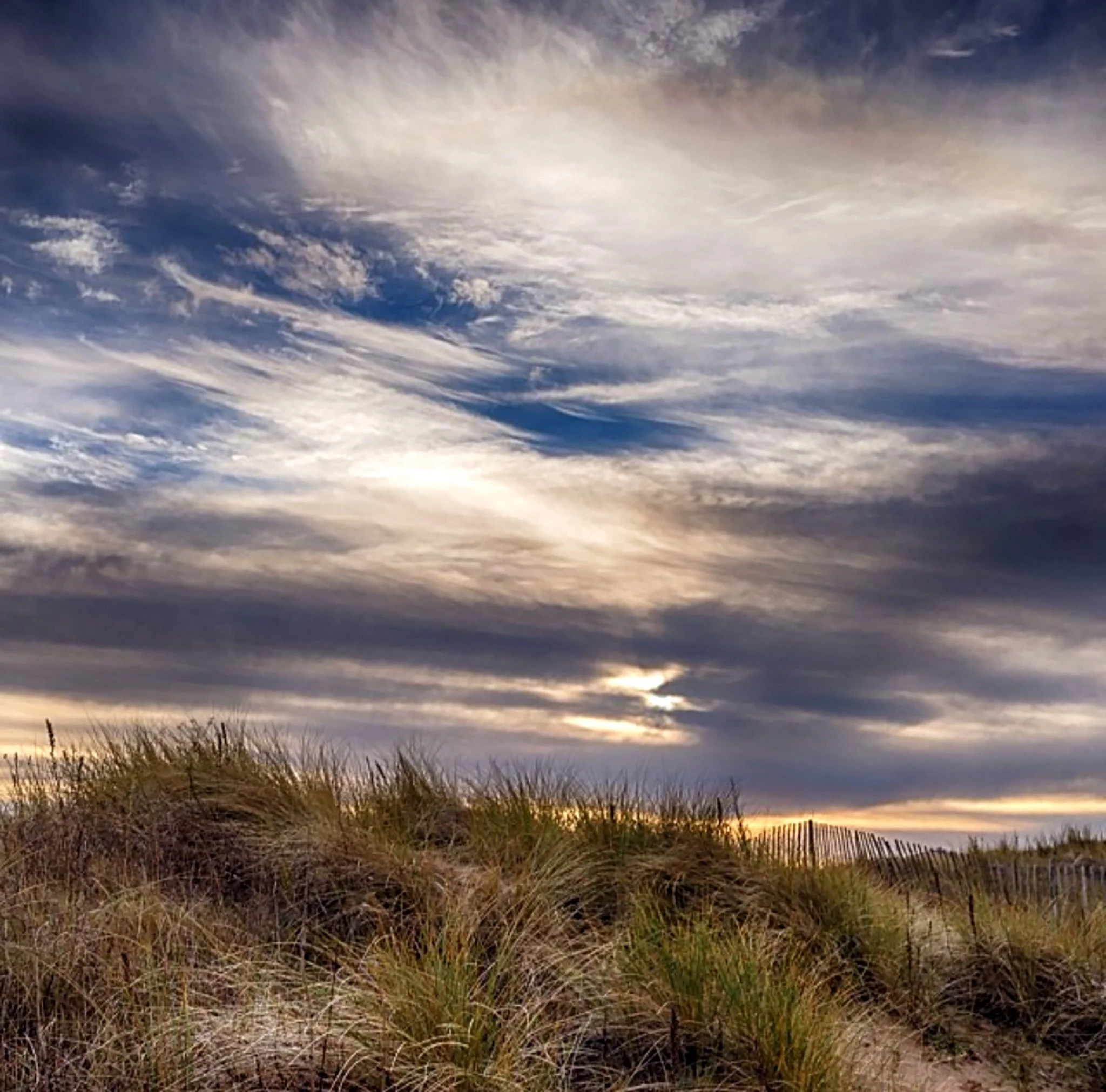
All images Courtesy of the Artist
To read the entire article by Aiyah Sibay email Tribe to purchase a copy of Issue 14.